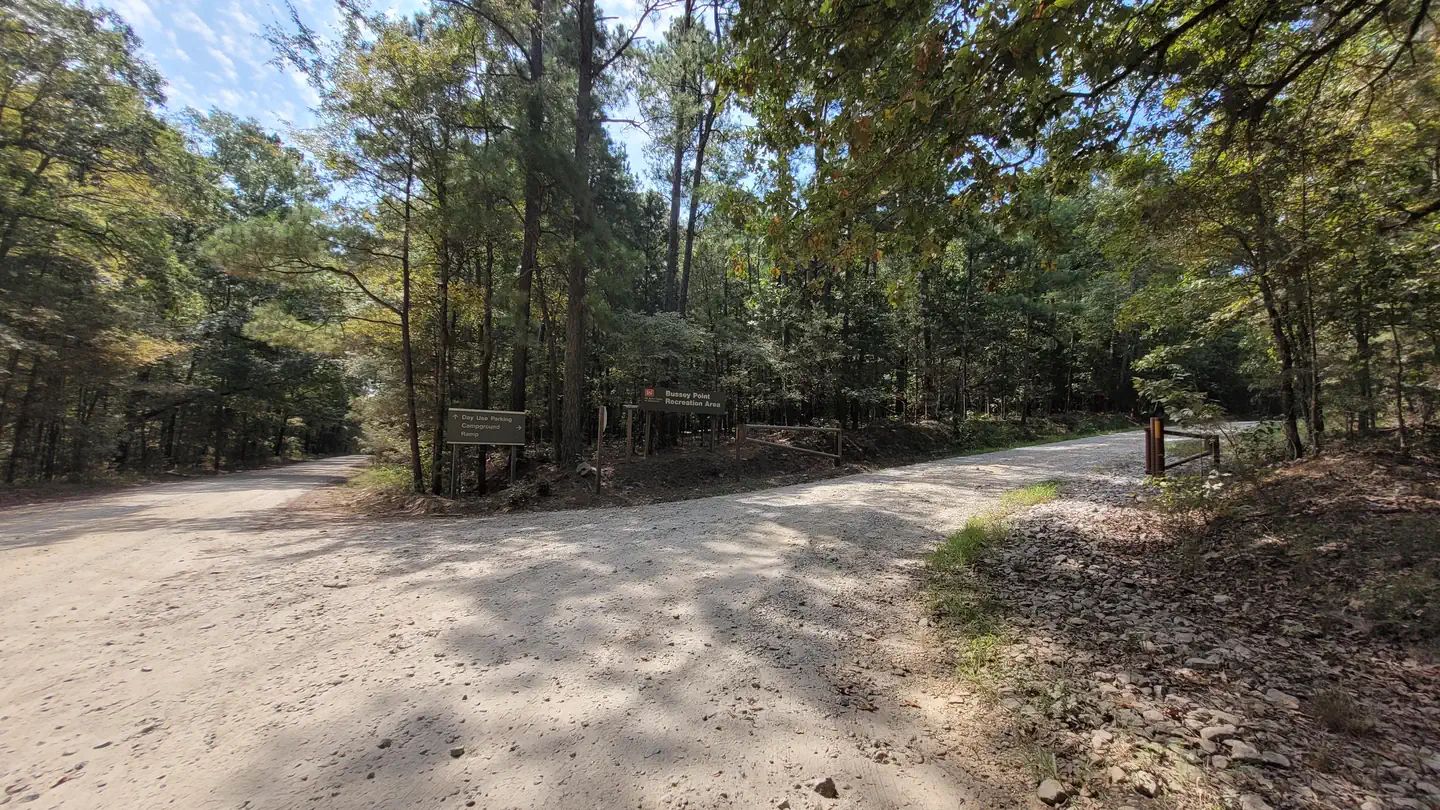
Scoring hard-to-get campsites comes down to three things: knowing the exact day and time a reservation window opens, treating cancellation slots as a second chance rather than a long shot, and having a backup list of sites and dates instead of fixating on one loop. Manual refreshing rarely beats the clock — a plan built around release schedules and automated alerts wins far more often.
You set three alarms. You opened the tab forty minutes early. You refreshed the campground calendar at the exact minute it was supposed to unlock, hit the site you wanted, clicked through to checkout — and watched the page spit back "no availability" before your payment form even loaded. If that sounds familiar, you've already learned the hardest lesson in camping: hard-to-get campsites aren't rare because they don't exist. They're rare because hundreds of other campers want the exact same dates you do, and most of them are faster, better prepared, or just luckier than a manual refresh can account for.
The good news is that booking a sold-out or in-demand campsite isn't a mystery. It's a set of mechanics — release schedules, cancellation patterns, and backup planning — that you can learn and use every time you plan a trip. This guide breaks down exactly how those mechanics work and what to do differently so you stop losing the booking race.
Why Hard-to-Get Campsites Sell Out So Fast
Popular campgrounds don't sell out because the inventory is tiny. Many iconic loops have dozens of sites. They sell out because demand is concentrated into a single moment: the day the reservation window opens. When a campground near a national park entrance, a scenic lake, or a popular trailhead releases a new block of dates, everyone who has been waiting for that exact weekend hits "book" within the same few minutes.
Add in the calendar effect — holiday weekends, the first warm weekend of spring, back-to-school week — and you get a stampede instead of a steady trickle of bookings. A campground that might take weeks to fill during a random October week can sell out in under ten minutes for a July 4th weekend.
There's also a behavioral piece. Many campers don't book the moment a window opens; they browse, compare, and second-guess. The people who get the site are usually the ones who already decided what they wanted before the clock started, which is exactly the habit this guide is trying to build in you.
Understanding this dynamic matters because it changes your strategy. You're not fighting scarcity of campsites in general — you're fighting a timing problem on one specific day. Solve the timing problem and your odds improve dramatically.
Master the Release Schedule Before You Try to Book
Most federal campgrounds and many state park systems don't open their entire calendar at once. They use a rolling reservation window — commonly somewhere in the range of several months to just under a year out — where a new day's worth of sites becomes bookable each morning at a fixed time. If you don't know that schedule, you're not actually competing; you're guessing.
Before you plan a trip around a specific campground, find its individual booking page and look for language about when new dates release. Federal campgrounds on Recreation.gov typically post this information directly on the listing, including the release time in a specific time zone — usually Eastern. Write that exact day and time down.
Being five minutes early and logged in beats being five seconds late and unprepared every time. Have your account created, your payment method saved, and your preferred site numbers already picked before that clock hits zero. For a deeper breakdown of how far in advance these windows actually open and how to plan around them, see this guide to booking campsites up to a year in advance.
If a campground's exact release pattern isn't obvious from the listing page, call the managing office directly. A two-minute phone call to confirm the release day can save you from showing up to an empty calendar on the wrong morning.
The Cancellation Window Is Your Second Chance
Missing the initial release isn't the end of the story. Campsites open back up constantly between the release date and the actual trip, because people cancel. Work schedules change, weather forecasts turn, a family member gets sick, or someone simply overbooked their summer. Every one of those cancellations becomes a fresh opening on a calendar that otherwise shows "sold out."
Cancellation activity isn't evenly spread, either. It tends to pick up in a few predictable windows: right after a cancellation deadline passes where a camper would lose part of their deposit if they don't act, and again in the final week or two before arrival when plans firm up. Checking a sold-out listing during those stretches is far more productive than checking it at random.
Many booking systems also have a defined cancellation policy — a fee structure that discourages last-minute no-shows but doesn't eliminate them. Knowing that structure helps you predict when a camper is likely to pull the trigger on canceling rather than eating the fee and not showing up.
If you want the full mechanics of how this works on federal booking systems specifically, including the typical window agencies use for cancellations, read this breakdown of the cancellation window strategy. It's one of the most reliable ways to land a site at a campground that looked fully booked for months.
State Parks Play by Different Rules Than Federal Land
It's a mistake to assume every booking system works the same way. State park reservation systems are run independently, state by state, and the rules differ in ways that matter. Some states open their booking window a full year out; others open it just a couple of months ahead. Some allow same-day walk-up bookings for a portion of sites; others don't.
Cancellation policies vary too — the fee structure, the refund timeline, and how quickly a canceled site reappears on the public calendar can all be different from what you'd expect on a federal reservation system. If you camp across both state parks and federal campgrounds, don't assume your federal-system habits transfer directly.
The practical fix is simple: before you build a strategy around a specific state park, spend ten minutes reading that park system's own reservation policy page. Look specifically for the release window length, the cancellation fee structure, and whether same-day sites are held back for walk-ups.
For a state-park-specific playbook that walks through this in more depth, including how to time your attempt around a state system's particular quirks, see this guide to booking a sold-out state park campsite. Treat every state as its own system until you've confirmed otherwise.
Build a Shortlist Instead of Chasing One Dream Site
If you walk into a release window with exactly one acceptable outcome — this campground, this loop, this exact weekend — you've put yourself in competition with every other camper who wants that same narrow slice of calendar. That's the hardest possible version of this game to win.
Instead, build a shortlist before you start. Pick your top choice, but also line up four or five realistic alternatives: a different loop in the same campground, a nearby campground within a 30-45 minute drive, or a shifted date a few days earlier or later. Rank them in order of preference so you're not making decisions under pressure.
This approach pays off in two ways. First, it multiplies your chances of landing something, since you're now trying for several openings instead of one. Second, it keeps you from freezing when your first choice disappears — you already know what to try next instead of starting a fresh search while the clock is running.
Flexibility is the cheapest upgrade you can make to your booking odds, and it costs nothing but a little pre-planning.
Stop Refreshing By Hand — Let a System Watch for You
Here's the uncomfortable truth about manual refreshing: a human clicking a button every few seconds for hours is a poor match for a release window that can close in under a minute, or a cancellation that can get snapped up within seconds of appearing. You have a job, a family, a life — you can't watch a calendar around the clock, and you shouldn't have to.
This is exactly the gap that automated monitoring fills. Instead of you manually checking a sold-out listing fifty times a day, a monitoring service checks it constantly and flags you the moment something opens, so you can act immediately instead of hoping you happened to glance at the right time. It doesn't guarantee you'll win the booking — nothing can promise that — but it puts you in position to compete the moment an opening appears, which is the entire game.
If you've never used an alert-based approach before, this guide to using campsite alerts effectively walks through how to set one up around a specific trip so you're not relying on luck or free time to catch an opening.
Think of it the same way you'd think of a notification for a flight price drop — it doesn't book the flight for you, but it tells you the instant it's worth trying.
Common Booking Mistakes That Cost You the Site
Most people who lose the booking race aren't unlucky — they're making one of a handful of fixable mistakes. Recognizing these patterns in your own approach is often the fastest way to improve your results.
The biggest one is showing up unprepared at the moment of truth: not logged in, no saved payment method, no idea which specific site number you want. Every one of those steps takes time you don't have once a window opens or a cancellation appears.
The second is fixating on a single date with no flexibility, which we covered above — it's worth repeating because it's the single most common complaint from campers who say a park is "impossible" to book. The third is ignoring the cancellation window entirely and assuming "sold out" is permanent, when in reality it's often just the starting line for a second opportunity.
A fourth mistake worth naming: booking a site and then not confirming details like length restrictions, pet policies, or vehicle limits before arrival, which can turn a hard-won reservation into a frustrating trip. A fifth: waiting until the week before a trip to start watching a calendar that's been open for months, when competition is lightest right after release.
For a broader rundown of the habits that separate campers who consistently land sold-out sites from those who don't, this list of pro booking tips covers ten more specific adjustments worth making.
What to Do the Moment You Get In
Getting past the calendar and into an actual checkout screen is only half the battle — plenty of bookings fall apart in the final sixty seconds because of hesitation or a slow form. Treat this moment like a checkout at a flash sale, not a leisurely browsing session.
Have your trip dates, number of people, vehicle and rig length, and any pet or accessibility needs already written down somewhere you can copy and paste from, rather than typing them out under pressure. If the system allows you to select a specific site number, know your top two or three choices in advance so you're not scrolling a site map while the clock runs.
Payment should be the fastest part of the process, not the slowest. Save your card details securely in your account ahead of time if the platform allows it, and double-check that your card hasn't expired before a big release date — an expired card at checkout is a surprisingly common way to lose a site you otherwise would have won.
Once you're confirmed, take a screenshot of the confirmation page immediately. Systems occasionally have confirmation delays, and having your own record protects you if there's ever a question about whether the booking went through.
Your Next Move
Booking a hard-to-get campsite isn't about outworking everyone else with endless manual refreshing — it's about knowing the release schedule, respecting the cancellation window, staying flexible with your dates, and being ready to act the instant an opening appears. Put those four pieces together and you'll land sites that used to feel out of reach.
Start with your next trip: pick your top campground, write down its release date and cancellation policy, build a shortlist of backups, and decide now whether you're going to watch that calendar by hand or let a monitoring system do the watching for you. If manual refreshing has already cost you a trip this year, check out GetParkAlerts' plans and see how automated alerts can put you in the race for the next opening instead of finding out about it after it's gone.
Key takeaways
- Most federal and state campgrounds release reservations on a fixed rolling window, often months in advance, at a specific time — missing that minute is the single biggest reason people lose a site.
- Cancellations trickle in steadily right up until arrival day because cancellation fees and schedule changes happen constantly, not just at the booking window opening.
- State park systems and federal systems run on different calendars and rules, so a strategy that works for one often fails for the other.
- Chasing one specific site and date is a losing strategy compared to building a flexible shortlist of 5-10 acceptable options.
- Being logged in, verified, and payment-ready before a window opens saves precious seconds that decide who gets the site.
- Automated monitoring tools exist precisely because manual refreshing can't reliably beat high-demand release windows.
Frequently asked questions
What is the best time to book a hard-to-get campsite?
The best time is the exact minute the reservation window opens for that specific campground, which varies by agency and park. Most systems release sites on a rolling basis a fixed number of months ahead, so check the booking page in advance to confirm the release day and time, then be logged in and ready a few minutes early.
Why do popular campgrounds sell out so fast?
Demand for iconic parks and summer weekends far outstrips the number of available sites, and most of those sites release all at once on a set date. When thousands of campers are watching the same calendar date, the inventory for popular loops can disappear within minutes of the window opening.
Do cancellations really open up sold-out campsites?
Yes. Campers cancel for all kinds of reasons — schedule changes, weather concerns, trip plans falling through — and most systems release that inventory back to the public almost immediately. Checking a sold-out listing regularly, especially in the weeks and days before arrival, can turn up real openings.
Is it better to pick one dream campsite or have backups?
Backups win far more often. Campers who commit to a single site and date on a single weekend are competing against everyone else with the same plan. Keeping a shortlist of several acceptable sites, loops, or nearby dates dramatically increases the odds that at least one comes through.
Can alerts actually help me get a sold-out campsite?
Alerts can't guarantee a booking, but they put you in position to win the race for an opening the moment it appears, instead of refreshing a page by hand for hours. Think of them as a way to compete on equal footing rather than a promise that a spot is reserved for you.
What's the biggest mistake people make when trying to book a sold-out campground?
Not being fully logged in and ready before the window opens. Creating an account, saving payment details, and knowing the exact dates and site numbers you want ahead of time can save the handful of seconds that separate getting a confirmation from seeing a sold-out message.
Stop refreshing Recreation sites
GetParkAlerts watches sold-out campgrounds and tells you the moment a site opens.
Get alerts — $9.99/mo →