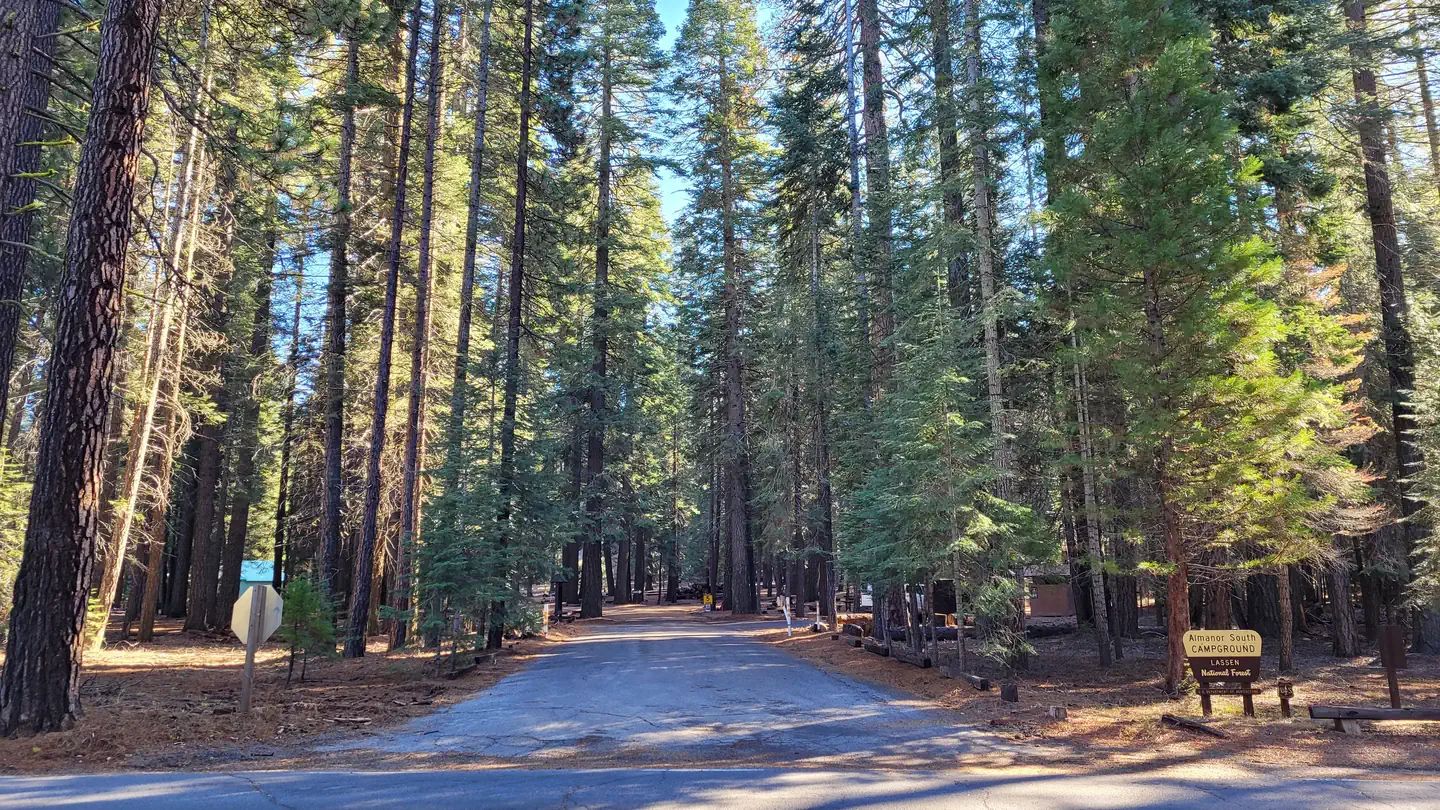
RV campsite alerts work by monitoring sold-out campgrounds for cancellations and newly released inventory, then notifying you the moment a site opens so you can act before other campers see it. For RV travelers, who need longer sites, pull-through access, or specific hookups, alerts narrow the field fast and turn a frustrating refresh cycle into a short, targeted window to book.
Picture a Friday night in June. You've got a 32-foot travel trailer hitched and loaded, a long weekend blocked off, and every campground within three hours of home showing "no availability" in red letters. You refresh the booking page every ten minutes until midnight, fall asleep with your phone on the pillow, and wake up to find the one open site you were watching got snapped up by someone else at 6:14 a.m. If that sounds familiar, you're not bad at planning — you're up against a system that simply moves faster than a human can watch it.
The 3 A.M. Refresh That Taught Me a Lesson
I spent years helping campers and RV owners figure out why their trips kept falling through at the booking stage, and the pattern was always the same. People weren't failing because they planned too late. They were failing because they were manually refreshing a page that updates in real time, against other campers doing the exact same thing, and the math just doesn't favor a human sitting at a laptop.
One camper I talked with described setting three alarms through the night just to check a campground's booking calendar, hoping a cancellation would appear before anyone else noticed. She caught one opening at 2 a.m. and lost it anyway — by the time the page loaded, the slot was gone. That's the moment most RVers realize refreshing by hand isn't a strategy, it's a gamble with terrible odds.
Campsite alerts exist to fix exactly that problem. Instead of you watching the calendar, a monitoring tool watches it continuously and pings you the second a matching site appears. You still have to act fast — nothing removes the race entirely — but you stop losing the race before you even knew it started. That shift, from passive refreshing to active notification, is the entire reason alert-based booking has become standard practice for serious campers rather than a niche trick.
Why RV Sites Vanish Faster Than Tent Sites
RV campers face a narrower target than tent campers, and it's worth understanding why before you build an alert strategy around it. A tent camper can often use almost any site in a campground. An RV owner is boxed in by length limits, turning radius, pull-through versus back-in access, and whether the site has 30-amp or 50-amp service and a water hookup.
Drop a 36-foot fifth wheel into the mix and the usable inventory at a given campground might shrink to a fraction of the total sites — sometimes just a handful out of a hundred. That's before you factor in slide-out clearance or whether a site can fit a tow vehicle alongside the rig. The RV Industry Association has tracked years of steady growth in RV ownership, which means more rigs competing for a pool of sites that hasn't grown nearly as fast.
This is also why RVers get hit harder by peak-season sellouts than tent campers do. A campground can look "half full" on a map graphic while every site that fits your rig is already gone. If you've ever wondered why a campground shows availability but none of it works for your trailer, this is the mechanism — and it's exactly the gap that targeted alerts are built to close. For a deeper look at how booking windows open and close at popular parks, the strategies in How to Book a Sold-Out State Park Campsite walk through the timing mechanics in more detail.
What Campsite Alerts Actually Do
At a basic level, a campsite alert service checks a campground's reservation system on a continuous cycle and compares what it sees against the filters you set. When a site matching your criteria appears — because someone canceled, didn't pay, or a block of previously held dates got released — the system fires off a notification to your phone or email.
That's the whole mechanism, and it's worth saying plainly: an alert does not reserve anything for you, and it does not guarantee you'll win the booking. What it does is collapse the distance between "a site opened up" and "you found out about it" from hours down to seconds. You still have to open the link and complete the booking yourself, usually against a clock, because other alert subscribers may get the same notification.
Where this changes outcomes is volume. A manual refresher might check a campground's calendar twenty or thirty times a day if they're dedicated. An alert system checks far more often than any person reasonably could, around the clock, without getting tired or distracted. Over a multi-week booking window, that difference compounds — you're simply present for far more of the moments when a site becomes available.
It's also worth being clear about what alerts are not. They're not a backdoor into a reservation system, they don't move you up any list, and they don't work differently for one camper versus another. Everyone watching the same site sees the same opening at roughly the same time. The edge comes from consistency and speed, not from any special access.
Setting Up Alerts the Right Way for RV Rigs
Generic alerts that just watch "any opening" at a campground waste your attention if half the sites they flag can't fit your rig. The fix is filtering the alert the same way you'd filter a booking search: rig length, hookup type, pull-through versus back-in, and loop or section if the campground publishes that detail.
A few practical settings make a real difference:
It's also smart to set alerts on more than one campground in the same area at the same time. If you're only watching one sold-out park, you're limited to whatever opens there. Watching three or four comparable campgrounds within a reasonable drive multiplies your chances of landing a trip in the same general window, even if it's not the exact site you first wanted.
The National Park Service's general camping guidance is a useful starting point if you're new to a region and trying to figure out which nearby campgrounds might serve as reasonable backups for your rig size and hookup needs.
The Cancellation Window: Your Best Shot at a Sold-Out Loop
Most booking systems charge a cancellation fee that increases the closer you get to the arrival date, which creates a predictable pattern: a meaningful share of cancellations happen in the final few days before a trip, as campers decide it's worth eating a smaller fee rather than a larger one. That stretch — roughly the 24 to 72 hours before arrival — is consistently one of the highest-value windows for alert-based booking.
There's a second, less obvious window too. Many campers finalize travel plans 10 to 14 days out, which means some cancellations cluster there as work schedules firm up or trip plans change. A longer-running alert that covers both windows catches more opportunities than one set up only a day or two before your target dates.
No-shows matter here as well. Some campers who never show up don't formally cancel, and depending on the campground's policy, that site can get released back into the system partway through the stay. This is a smaller and less predictable source of openings, but it's part of why watching a campground through the first night or two of a stay window sometimes pays off even after you'd normally stop checking.
If you want a closer look at exactly how the official cancellation window interacts with federal booking systems, Recreation.gov Cancellation Window: Book Sold-Out Sites breaks down the timing in more depth, and Sold-Out Campsite? How to Snag a Recreation.gov Cancellation Slot Before Anyone Else covers the specific habits that help campers act fast once a slot appears.
Pairing Alerts With a Real Booking Strategy
An alert by itself is a notification, not a plan. The campers who consistently land sold-out sites treat alerts as one piece of a larger approach that includes flexible dates, a ranked list of acceptable campgrounds, and a fast, repeatable process for completing a booking once a notification arrives.
Start by ranking your options before you need them. Decide which campground is your first choice, which two or three are acceptable backups, and which dates you could shift by a day in either direction. When an alert fires at 11 p.m. on a weeknight, you don't want to be making those decisions from scratch — you want to already know the answer so you can act in seconds.
Keep your account information ready too. Save your payment details securely in the booking platform you'll use, know your party size and vehicle details ahead of time, and have any required permits or passes already on hand. Every extra form field you have to fill out during a live booking window is time another camper doesn't have to spend.
It also helps to understand the broader rhythm of how sold-out parks open back up, not just the mechanics of a single alert. Win the Booking Race: Advanced Sold-Out Tips digs into the layered approach experienced campers use — combining alerts, timing, and backup planning — rather than relying on any single tactic alone.
Mistakes That Sink RVers Using Alerts
The most common mistake is setting an alert and then treating the booking itself as an afterthought. A notification that arrives while you're asleep, driving, or without your payment information handy is nearly worthless, because by the time you're ready to act, the opening is usually gone.
The second mistake is filtering too loosely. If your alert flags every open site at a campground regardless of length or hookup, you'll get notifications you can't use, start ignoring them out of fatigue, and miss the one that actually fits your rig when it finally comes through.
A third mistake is watching only one campground when a backup list would have multiplied your chances. Campers fixated on a single "must-have" location sometimes pass up a perfectly good trip at a comparable campground twenty minutes away simply because they never set up a second alert.
Other missteps worth avoiding:
Fixing these is mostly about discipline, not tools. The alert does the watching; you still have to be ready to move the moment it tells you something opened.
Military Families, FamCamps, and Alert Timing
Military families chasing on-base FamCamp sites deal with a version of the same problem, often layered with PCS timelines that leave little room for flexibility. FamCamp sites turn over through cancellations and schedule changes just like public campgrounds do, and the same alert logic — watch continuously, filter by rig specifics, act fast — applies directly.
The timing pressure tends to be sharper for military families, since orders and report dates are fixed and travel windows can't simply be pushed back a week if a site doesn't open in time. That makes a longer alert window even more valuable: starting your watch as early as policy allows gives more chances for a match before you're down to the wire.
It's also worth building backup options into any FamCamp plan the same way you would for a civilian trip. If the installation you're headed to is full, check whether a nearby base or public campground could cover a night or two while you wait for a FamCamp opening closer to your actual report date.
Campground Booking Strategies for Military Families goes deeper into the specific timing patterns and booking habits that work well around PCS moves and training schedules, including how to stack alerts against a tight, fixed arrival date.
Building Your Pre-Trip Alert Checklist
A little prep work before you ever set an alert saves scrambling later. Walk through this list before your next sold-out trip:
Running through this checklist takes maybe fifteen minutes, and it's the difference between an alert you can actually act on and one that just adds noise to your phone. The goal isn't to eliminate the race for a sold-out site — nothing does that — it's to make sure that when the race starts, you're already standing at the line instead of still tying your shoes.
For a structured version of this process that walks through timing a full trip from first search to final booking, 10-Step Plan to Beat the Campsite Booking Rush lays out each stage in order.
Your Next Move
Sold-out doesn't have to mean the end of a trip plan — it means you need a faster way to find out when that changes. Pick your target campground and two backups, nail down your rig's exact length and hookup needs, and set up alerts that actually match what you can use instead of flooding your phone with sites that don't fit.
Then be ready to move. Keep your payment details saved, your notifications loud, and your backup dates decided ahead of time so you're not making choices at 2 a.m. under pressure. If you want that monitoring running around the clock instead of doing it yourself, see what's included at GetParkAlerts pricing and get your next sold-out campground on watch today.
Key takeaways
- RV sites sell out faster than tent sites because far fewer campgrounds have pull-through or 50-amp spots, which shrinks the usable inventory for big rigs.
- Campsite alerts don't guarantee a booking — they shorten your reaction time so you're racing seconds, not hours of manual refreshing.
- Most cancellations show up inside a 24-to-72-hour window before arrival, which is the highest-value window for alert-based booking.
- Setting alerts with RV-specific filters (length, hookups, rig type) prevents wasted notifications for sites you can't actually use.
- Pairing alerts with a backup list of 3-5 campgrounds dramatically increases your odds versus watching a single sold-out park.
- Military families chasing FamCamp sites benefit from the same alert logic, since on-base RV sites often turn over through last-minute cancellations.
Frequently asked questions
Do RV campsite alerts guarantee I'll get a booking?
No. Alerts notify you faster than manual refreshing, but booking still comes down to who clicks first after the alert fires. Think of it as shortening the race, not skipping it — you still need to be ready to book within seconds of getting notified.
How do campsite alerts know when a site opens up?
Alert services continuously check campground booking systems for new openings, including cancellations, no-shows pulled from the calendar, and newly released block-out dates. When a matching site appears, they send you a notification immediately instead of making you refresh the page yourself.
When do most RV cancellations happen before a trip?
Many cancellations cluster in the final 24 to 72 hours before arrival, often tied to the standard cancellation-fee cutoff many booking systems use. Some also appear 10-14 days out as travelers finalize plans, so a longer-running alert catches more chances than a last-minute one.
Can I set alerts for a specific RV length or hookup type?
Yes, on most alert tools you can filter by site attributes like rig length, pull-through access, and electric or water hookups. Narrowing your filters means every notification you get is for a site you can actually use, instead of a short pull-in spot for travel trailers.
Should I watch more than one campground at a time?
Yes. Watching a single sold-out campground limits you to whatever opens there. Building a short backup list of 3-5 nearby or comparable campgrounds and setting alerts on all of them gives you several chances to book a trip in the same general area and timeframe.
Are campsite alert services affiliated with Recreation.gov or state park systems?
No. Independent alert services like GetParkAlerts are not affiliated with any government agency or booking platform. They monitor publicly available availability and notify subscribers, but the actual reservation still happens on the managing agency's own system.
Stop refreshing Recreation sites
GetParkAlerts watches sold-out campgrounds and tells you the moment a site opens.
Get alerts — $9.99/mo →