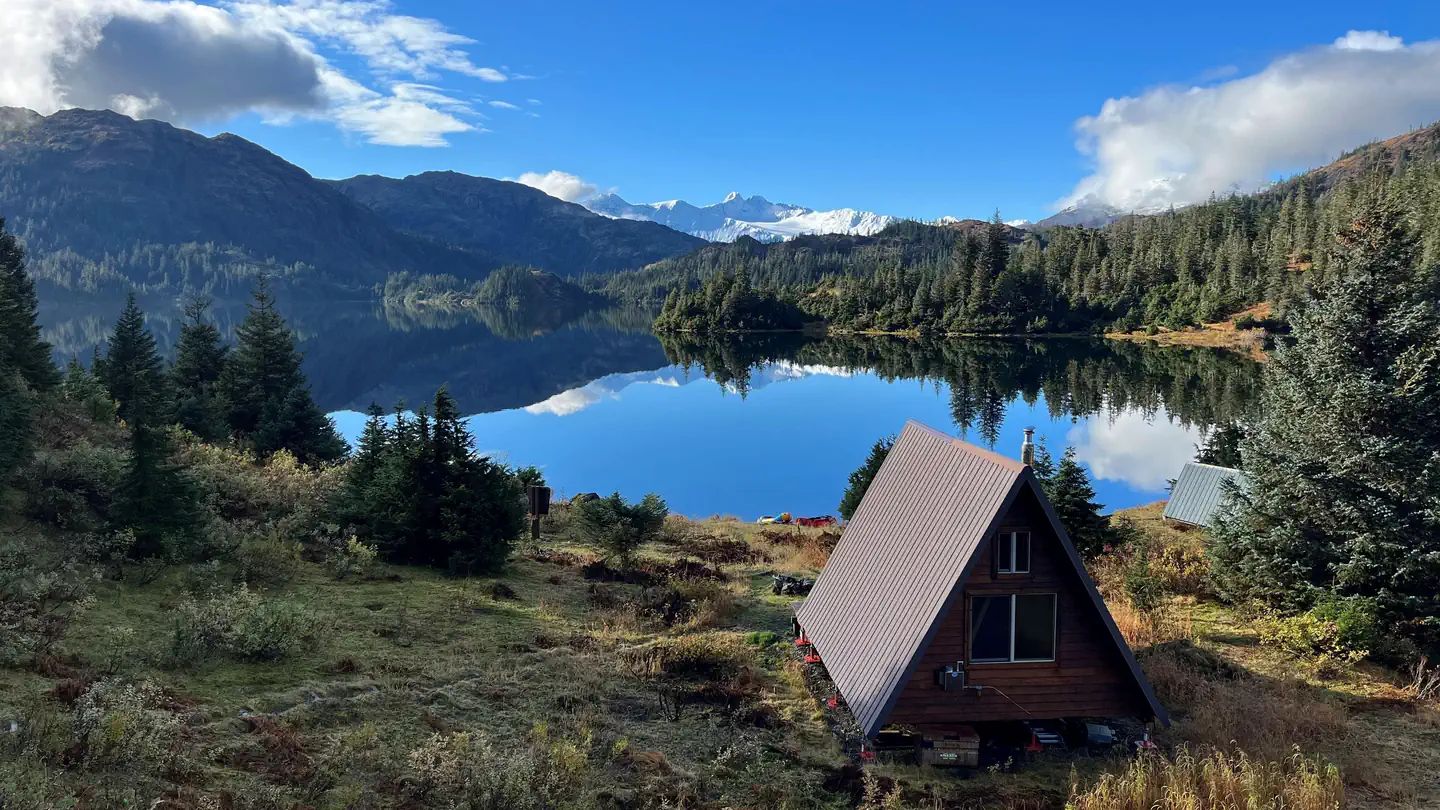
Shoulder season — roughly the weeks after school resumes and before campgrounds wind down, plus the late-spring equivalent — offers most of summer's conditions with a fraction of its competition. Sites that vanish in minutes for July sit open for September, rates dip where seasonal pricing applies, and the loops go quiet. The tradeoffs are colder nights, shorter days, and reduced services — all manageable with a warmer bag and a headlamp.
Every camping problem this blog covers — sellouts, booking-window sprints, full loops — shares one quiet cause: everyone camps in the same eight weeks. Step just outside those weeks and the entire game changes.
Shoulder season is the stretch on either side of peak summer, and it's the closest thing camping has to a cheat code that's actually allowed.
What changes when the calendar flips
Availability transforms first. The weekend after schools resume, demand falls off a cliff — campgrounds that required opening-morning discipline in June take walk-week bookings in September, and sold-out parks release cancellations that nobody races to claim.
Conditions often improve too: early fall brings stable weather, thinner crowds at trailheads, no bug pressure, and — depending on region — foliage that outclasses anything July offers. Late spring's version trades foliage for waterfalls and green.
Costs soften where seasonal pricing applies, and the browse-by-state map effectively doubles: parks you dismissed as unbookable become Tuesday-decision trips.
The honest tradeoffs
Nights get cold — the number-one shoulder-season surprise. The daytime forecast reads like summer; the 3 AM reality doesn't. Bring the warmer bag, per the first-time checklist rule of rating below the real overnight low.
Days get shorter, so dinner and setup drift toward headlamp hours; plan arrival accordingly. And campground services taper — some water systems, camp stores, and even whole loops close as the season winds down, so check the campground's current status before you commit to a late-season date.
In some regions, shoulder season has sharper edges — early storms in the mountains, late heat in the deserts. The forecast deserves more respect in October than it needed in July.
Booking the quiet season
Strategy inverts: instead of fighting a window opening, you're choosing among open sites — so spend the advantage on quality. The waterfront rows and prime loops that summer campers wait years for are shoulder season's normal inventory.
Watch for closure dates in listings, favor lower elevations as temperatures drop, and keep an alert running on any first-choice site that's still contested — even September has its golden weekends. Then enjoy the version of camping the brochures photograph: the loop half-empty, the trail quiet, the fire warmer for the cold behind it.
Key takeaways
- Demand collapses the week schools resume — September books like a different sport than July.
- Stable weather, no bugs, empty trails, and softer rates are the upside; cold nights and shorter days are the price.
- Check current campground status late in the season — services and loops taper toward closing dates.
- Spend the availability advantage on site quality: shoulder season is when the waterfront rows are actually open.
Frequently asked questions
When is shoulder season for camping?
The weeks flanking peak summer — roughly late August through fall closures on one side, and late spring before schools let out on the other. Exact timing varies by region and elevation; the demand drop when schools resume is the clearest marker.
Is September a good month to camp?
For most regions it's arguably the best: summer-adjacent days, stable weather, minimal bugs, empty campgrounds, and easy bookings. The tradeoffs are cold nights and shorter days — solved by a warmer sleeping bag and an earlier arrival.
Are campgrounds open in the shoulder season?
Most, but services taper — some loops, water systems, and stores close as the season winds down, and some campgrounds have firm closing dates. Check the campground's current status and any closure notes before booking late-season dates.
Stop refreshing Recreation sites
GetParkAlerts watches sold-out campgrounds and tells you the moment a site opens.
Get alerts — $9.99/mo →