Public campground length limits are real, enforced by geometry rather than rangers: many older park and forest campgrounds were engineered for smaller rigs, and a big fifth-wheel simply won't make the curves or the pad. Measure your true combined length, treat posted limits as the campground's honest warning, filter for it when booking, and remember the roads to the campground can be a tighter constraint than the site itself.
The heartbreak pattern is always the same: a beautiful campground, a confirmed reservation, and a 38-foot rig meeting a loop road built decades ago for rigs half that size. Nobody has to enforce the limit — the curve radius does it.
Length limits are the least glamorous number in RV travel and the one most worth respecting.
Why public campgrounds run small
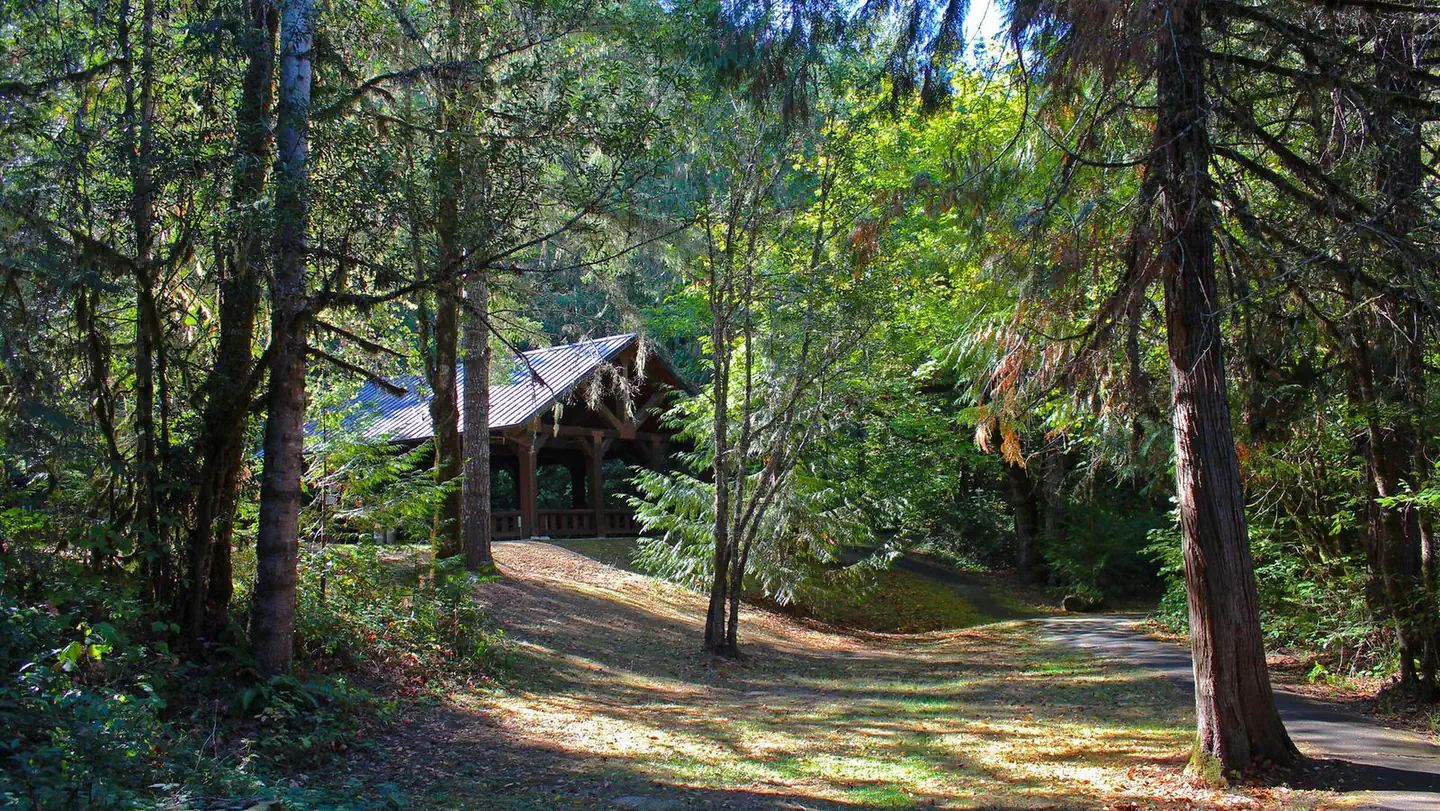
Many public campgrounds — especially in older parks and forests — were laid out generations ago, with pads, curves, and tree spacing matched to the rigs of their era. RVs grew; the campgrounds mostly didn't.
That history shows up as posted maximum lengths on many federal and state campgrounds. Newer or renovated loops run bigger, and Army Corps campgrounds are frequently generous, but the marquee old campgrounds in famous parks are exactly where limits bite hardest.
The posted limit is the campground telling you its geometry honestly. Exceeding it isn't a rules problem first — it's a physics problem, on the curve, in the dark, with an audience.
Measuring and booking honestly
Know your true length: for trailers, the combined tow vehicle + trailer number matters at many campgrounds, not the trailer alone — some sites fit the trailer but leave the truck parked a loop away. Measure bumper to bumper as you actually travel, and note your height while you're at it for the roads in.
When booking, filter by your length and believe the per-site details — pads inside one campground vary widely, and site-level 'max vehicle length' data appears on our federal campground pages where the official catalog reports it, including a max-rig-length stat where known.
Leave margin. A pad listed at your exact length means a perfect backing job with zero room for the fire ring, the slide, or the tree that isn't in any database.
The bigger-picture strategy
Big rigs trade access for comfort — that's the deal, and route planning around it is normal. The roads to mountain campgrounds can be tighter than any pad; check access road notes for grades and switchbacks, not just the site.
Under-limit campers get a quiet bonus: shorter rigs fit the older campgrounds most people filter out, which shrinks the competition. Pair that edge with hookup know-how and cancellation alerts on the sites that do fit, and the booking odds tilt your way.
Key takeaways
- Length limits are enforced by curve radius and pad geometry, not by rangers — respect the posted number.
- Measure true combined travel length, and mind the access roads as much as the pad.
- Filter by length when booking and leave backing margin beyond the listed pad size.
- Shorter rigs unlock the older campgrounds big rigs must skip — a real competitive edge.
Frequently asked questions
What size RV fits in most public campgrounds?
Smaller is safer: many older public campgrounds were built for modest rigs, and posted limits in famous older parks commonly exclude today's largest RVs. Newer loops and Army Corps campgrounds tend to run more generous. Always check the specific site's listed maximum.
Does the tow vehicle count toward campsite length limits?
At many campgrounds, yes — the pad has to hold everything you park on it. Some campgrounds measure the trailer alone with separate parking for the tow vehicle. When the listing is ambiguous, call and ask how they measure.
What happens if my RV is longer than the posted limit?
Best case, an unusable reservation; worst case, damage on a curve that was never going to work. The limit reflects real geometry. Book within it, with margin, and route bigger rigs to campgrounds designed for them.
Stop refreshing Recreation sites
GetParkAlerts watches sold-out campgrounds and tells you the moment a site opens.
Get alerts — $9.99/mo →