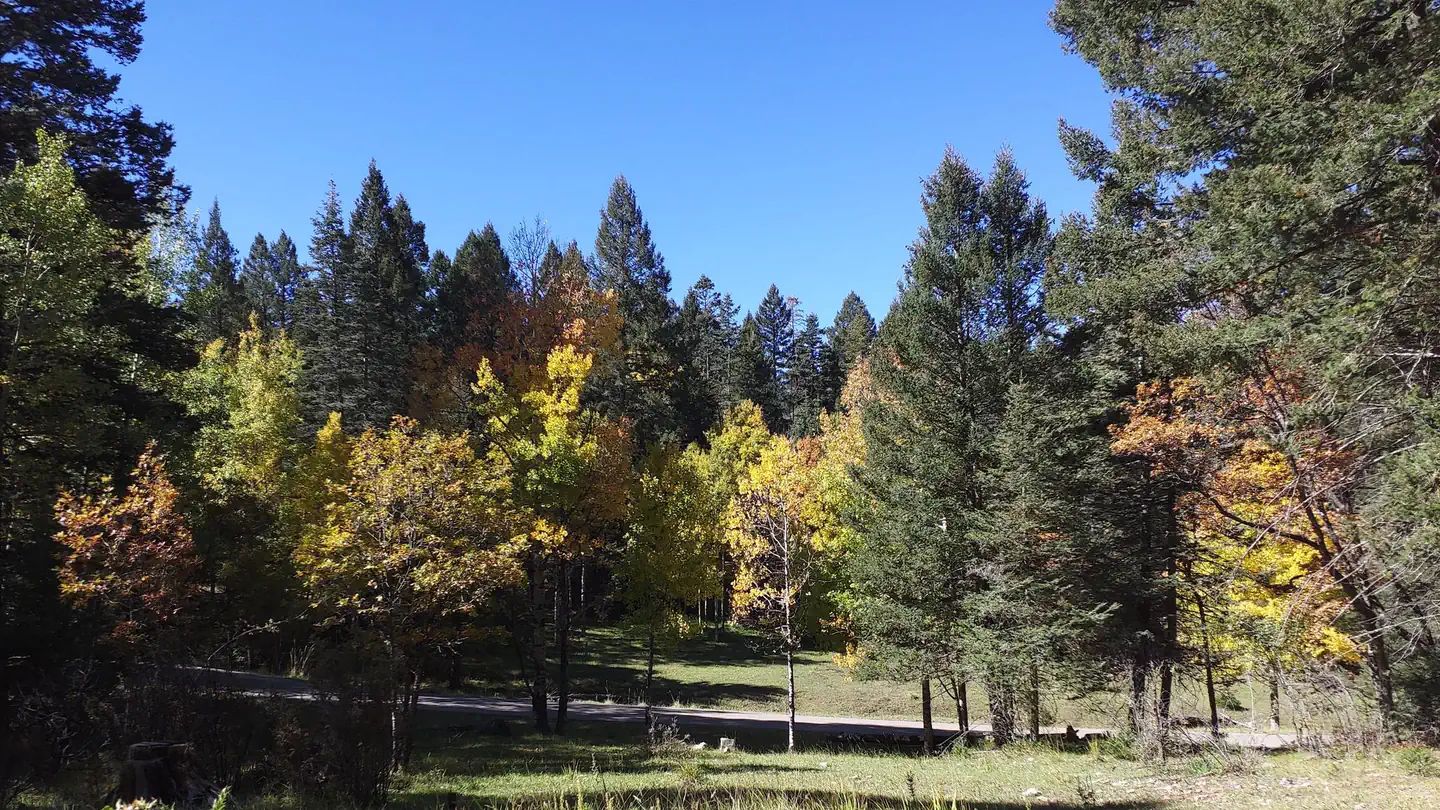
National park campgrounds put you inside the marquee landscape with the highest competition and the most structure. National forest campgrounds — often bordering the same terrain — trade a little polish for far easier availability, more space, and looser rules, and frequently keep first-come, first-served loops. Book the park when the park itself is the trip; book the forest when you want the region without the reservation knife-fight.
The most useful secret in federal camping is that the boundary line between a national park and the national forest next door is invisible on the ground. The granite doesn't change. The competition for a campsite changes enormously.
Understanding how the two systems differ turns one impossible booking problem into two very different, very solvable ones.
What you get inside a national park
Park campgrounds sell proximity: sunrise from inside the landscape everyone came for, trailheads minutes away, ranger programs in the evening. Managed by the National Park Service, they tend toward defined sites, full services in the big campgrounds, and firm structure — quiet hours, generator windows, strict food storage where wildlife demands it.
That proximity is why the famous ones are among the most contested reservations in the country. For summer dates at headline parks, treat booking like a window-opening appointment — and expect the calendar to fill immediately.
What the forest next door offers
National forests, managed by the US Forest Service, carry multiple-use rules and a far larger footprint. Their campgrounds are usually smaller, simpler — vault toilets and hand-pump water are the norm — and noticeably easier to book. Many keep a first-come, first-served share, covered in the FCFS backup plan.
Forests also allow dispersed camping in many areas — free camping outside developed sites where district rules permit — which parks almost never do. Rules vary by ranger district, so confirm before you count on it.
The catch: you drive a little further to the marquee sights, and amenities are thinner. For many trips that trade is nearly free.
How to choose (and how to combine)
Choose the park campground when being inside the park is the point: first-light photography, long day hikes from camp, a once-in-a-while trip where the location is the memory.
Choose the forest when the region is the point: fishing, climbing, mountain biking, a base camp for a week of exploring, or any trip where a reservation fight would poison the planning.
Both systems book through the same federal platform — the Recreation.gov field guide has the mechanics. The strongest itineraries combine them — a forest campground as the reliable base, with an alert running on the park campground in case a cancellation opens up. Browse both on the national parks & forests directory, or go straight to national forest camping and national park campgrounds.
Key takeaways
- Park campgrounds sell location and structure; forest campgrounds sell space, ease, and flexibility — often in the same landscape.
- Forest campgrounds are markedly easier to book and often keep first-come, first-served loops.
- Dispersed camping is a forest option where district rules allow it; parks almost never permit it.
- Best of both: base in the forest, run a cancellation alert on the park campground.
Frequently asked questions
What's the difference between national park and national forest camping?
Different agencies, different missions. Park campgrounds (National Park Service) offer prime locations with more structure and far more competition. Forest campgrounds (US Forest Service) are simpler, easier to book, often keep first-come, first-served sites, and sit in multiple-use land that frequently allows dispersed camping.
Is it easier to get a campsite in a national forest?
Usually much easier. Forest campgrounds carry a fraction of the demand of the famous park campgrounds nearby, and many hold sites outside the reservation system entirely for walk-up campers.
Can you camp for free in national forests?
In many forests, yes — dispersed camping outside developed campgrounds is allowed where the local ranger district permits it, with stay limits and fire rules that vary by district. Always confirm the current rules with the managing district before relying on it.
Stop refreshing Recreation sites
GetParkAlerts watches sold-out campgrounds and tells you the moment a site opens.
Get alerts — $9.99/mo →