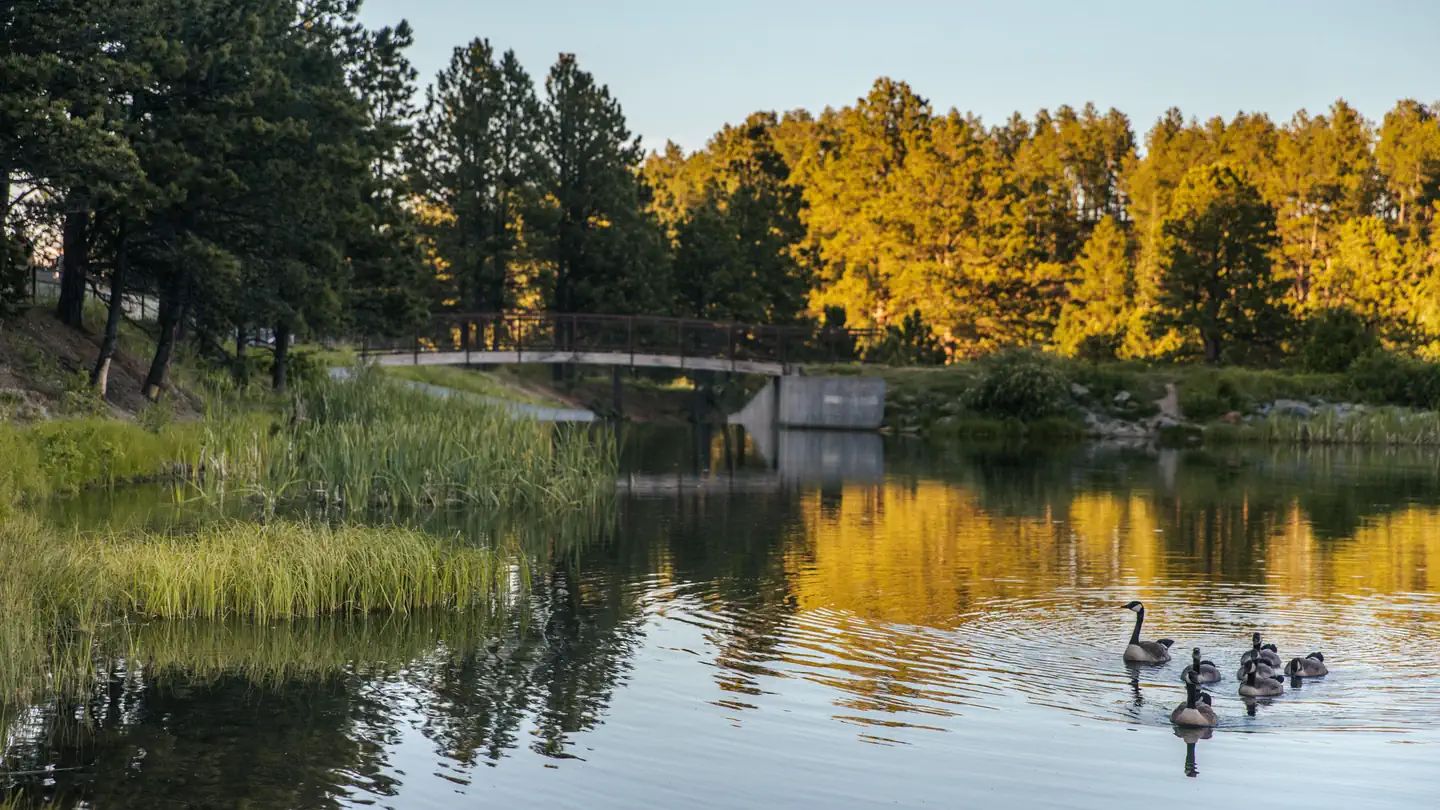
State park campgrounds like Garner State Park (TX), Anastasia State Park (FL), and Hunting Island State Park (SC) routinely sell out for spring break within minutes of their booking window opening, which ranges from 5 to 13 months ahead depending on the state. To land a site, know the exact reservation date for your target park, be logged in and ready at 7:00 or 8:00 a.m. local time when the window opens, and set up cancellation alerts as a backup once the calendar shows sold out.</br>
Every February, a wave of families decides spring break camping beats another overpriced beach hotel or theme park package. By the time most of them open the reservation app, the riverfront loop at Garner State Park in Texas or the waterfront sites at Anastasia State Park in Florida are already gone — booked out during the exact minute the reservation window opened, sometimes five to eleven months earlier. State park camping for spring break is not a browse-and-book experience anymore. It is a calendar-and-alarm-clock exercise, and the parks below are the ones that prove it every single year. Here are ten campgrounds that consistently sell out for spring break week, the booking windows that control them, and what to do the moment you see "No Availability."
Why Spring Break Reservations Disappear So Fast
Spring break isn't one week — it's roughly six overlapping weeks between late February and mid-April, since school districts across the country stagger their calendars. That stretches demand across an entire reservation season instead of concentrating it, but it also means popular parks are fielding heavy booking traffic for nearly two months straight. AAA has repeatedly listed spring break among the busiest domestic travel windows of the year, and camping has absorbed a growing share of that traffic as families look for lower-cost alternatives to hotels.
Every state runs its own booking window. Texas State Parks open reservations 5 months in advance. Florida State Parks use an 11-month window. Other states, including several in the Southeast, book out 11 to 13 months. None of that is negotiable — the system simply won't show a date until the window opens, and it fills within minutes once it does.
Three site types vanish first at almost every park: waterfront or riverfront sites, pull-through sites that don't require backing in a trailer, and ADA-accessible sites, which are limited in number and in high demand from families traveling with older relatives. If you're not logged in and ready the second the window opens, plan on getting whatever is left in the back loop, or nothing at all.
Garner State Park, Texas
Garner is the single hardest state park reservation in Texas, full stop. With Frio River access, a dance pavilion, and mini-golf, it draws Texas families the way Yellowstone draws out-of-state visitors. Its riverfront and Old Cedar Camp Area sites for spring break week are typically gone within 10 minutes of the 5-month booking window opening at 6:00 a.m. Central Time.
Nightly rates run roughly $20-$28 depending on the loop, plus a $6 per-person day-use fee that applies to campers too. If you miss the window, check Golden Orb, the newer camping loop, since it occasionally has late releases that the older, more famous loops never see.
Mistake most campers make: they try to book a full week starting the exact day the window opens for their arrival date, not realizing each date unlocks separately 5 months out. You need to book incrementally, adding one night at a time as each date becomes available, or you'll lose consecutive nights to other campers doing the same thing.
Anastasia State Park, Florida
Anastasia sits inside St. Augustine, giving campers beach access, a lagoon-adjacent trail system, and walkable distance to the country's oldest city — a combination that makes it one of the most requested reservations on the Florida park system for spring break. The 139-site campground uses Florida's 11-month booking window, so a March 15 arrival opens around April 15 of the prior year.
Sites 1 through 40 sit closest to the beach boardwalk and are usually the first to go. Rates run about $34-$44 a night depending on hookups. Because Florida releases the entire window at once rather than staggering by date, campers who show up even an hour late often find every spring break week already claimed.
A workable backup: book the shoulder nights (the Sunday before or the Friday after peak week) first, since demand thins slightly outside the core Monday-Friday spring break block, then try to extend once you're holding a confirmed reservation.
Blue Spring State Park, Florida
Blue Spring draws campers year-round for manatee watching, but spring break adds kayakers and swimmers chasing the 72-degree spring run once water temperatures outside climb. The 51-site campground is smaller than most on this list, which makes competition for spring break dates especially tight relative to demand.
The same 11-month Florida window applies here, and sites near the spring run boil (1-20) are typically claimed within the first hour. Nightly rates sit around $28-$38. Because the park caps daily visitors to protect the manatee population, even day-use guests need to plan ahead, so campers who lock a site early get an advantage non-campers don't have.
If the campground shows full, check Hontoon Island State Park roughly 20 minutes away — it's boat-access only, which keeps demand far lower, and it still puts you within a short drive of Blue Spring for a day trip.
Hunting Island State Park, South Carolina
Hunting Island is South Carolina's most visited state park, and its oceanfront and maritime forest camping sites make it a spring break staple for families driving from Georgia, North Carolina, and beyond. Roughly 200 sites sit inside a landscape shaped by an active lighthouse and a genuinely wild-feeling beach, which is rare for a drive-up campground.
South Carolina State Parks manage reservations through their own portal with an advance window that generally runs close to a year out — verify the exact date on the park's booking page, since it can shift by a few weeks depending on the season. Oceanfront loop sites go first, often within the first 30 minutes.
Rates run about $30-$45 a night. A practical tip: the park's inland sites near the maritime forest cost less and still put you a 5-10 minute walk from the beach, and they tend to stay available slightly longer than oceanfront sites during the initial booking rush.
Pedernales Falls State Park, Texas
Pedernales Falls sits about 45 minutes from Austin, which makes it a magnet for both Austin locals and Texas Hill Country road-trippers during spring break. The limestone river falls and swimming holes are the draw, and the park caps swimming access on high-traffic days, so a confirmed campsite guarantees entry that day-trippers can't count on.
Like all Texas State Parks, Pedernales books 5 months ahead. The Wolf Mountain camping loop, closest to the trailhead for the falls, is typically the first to sell out. Basic sites run about $20 a night, with a handful of premium river-adjacent sites priced slightly higher.
Because Austin's population has grown so quickly, this park now sells out faster than it did five years ago, and campers who used to get by booking a month or two out are increasingly getting shut out for spring break entirely. Treat the 5-month mark as a hard deadline, not a suggestion. If you're weighing Pedernales against a nearby option, our Texas Hill Country camping guide breaks down which parks in the region tend to have more late-availability.
Cumberland Mountain State Park, Tennessee
Cumberland Mountain, built around a CCC-era stone dam and a 50-acre lake, is a favorite for Middle Tennessee and Kentucky families who want camping without the crowds of the Smokies. Its 147 campsites include both RV hookup sites and tent-friendly loops shaded by hardwood forest, and the park's proximity to I-40 makes it an easy stop for road-tripping families heading toward Nashville or the Smokies.
Tennessee State Parks book through a rolling window that generally opens about a year in advance. Lake-view sites in the C loop are the first to disappear, usually within the first two hours of the window opening rather than the first ten minutes seen at Texas parks — worth noting if you're used to a faster-selling park and assume you have more time here than you actually do.
Nightly rates run roughly $25-$34. Because demand here is regional rather than statewide, a Tuesday-Thursday arrival during spring break week still has a real chance of availability even if the Friday-Sunday nights are already gone.
Devil's Den State Park, Arkansas
Devil's Den, tucked into the Ozark National Forest near Fayetteville, draws spring break crowds for its sandstone crevice caves, waterfalls, and mountain biking trails. It's smaller and less commercialized than the Texas and Florida parks on this list, but that scarcity is exactly why its 144 campsites go fast for spring break.
Arkansas State Parks generally open reservations roughly 13 months in advance for some sites, which is the longest window on this list and easy to miss if you're used to shorter booking horizons elsewhere. CCC-era cabins near the park book out even further ahead than the campsites do.
Rates for standard campsites run about $18-$28 a night. Because the window opens so far out, plans often change between booking and arrival — this park sees a steady trickle of cancellations through the winter, making it one of the better targets for a cancellation alert if you missed the original window.
Anza-Borrego Desert State Park, California
Spring break lines up almost perfectly with peak wildflower bloom in California's largest state park, which is exactly why Anza-Borrego's Borrego Palm Canyon and Tamarisk Grove campgrounds sell out fast every March. Desert camping under clear skies, combined with a wildflower super bloom in strong rain years, pulls in campers from across Southern California and Arizona.
California's state park system books through ReserveCalifornia with a 6-month advance window. Because bloom conditions aren't fully predictable that far ahead, campers are essentially booking on faith that the wildflowers will cooperate — most years they do well enough to justify it. Nightly rates run about $25-$35 for developed sites.
If the developed campgrounds show sold out, Anza-Borrego is one of the few California state parks that still allows dispersed, no-fee camping across most of its backcountry, which is a legitimate fallback most campers don't realize exists until they've already given up on the park entirely.
How to Actually Get a Site Once Everything Shows Sold Out
A sold-out calendar isn't the end of the trip — it's the point where most campers give up too early. Reservation systems release cancelled sites back into inventory in real time, and spring break cancellations happen constantly as work schedules, weather forecasts, and family plans shift in the weeks before arrival. The problem isn't that sites don't come open. It's that someone else is usually watching more closely than you are.
A few tactics work reliably. Check the booking portal manually two or three times a day in the final two weeks before your trip, focusing on early morning when overnight cancellations post. Follow the park's own social media accounts, since rangers sometimes post about newly opened dates. And if a specific park and date matter enough to your trip, use an automated monitoring service that checks availability continuously and alerts you the moment a cancellation opens — that's the gap between refreshing a page by hand and catching a release within seconds of it happening.
Building in a fallback matters just as much as chasing the primary target. Identify a First-Come-First-Served loop, a nearby county or Corps of Engineers park, or a state park with a later booking window as your backup before you're staring at a sold-out calendar in a panic. For more on structuring a trip around uncertain availability, see our guide on how to book a sold-out campground.
Start tracking your target parks today. Set a calendar reminder for the exact date and time each booking window opens, have a backup park ready, and let GetParkAlerts watch for cancellations on the dates you can't get any other way.
Key takeaways
- Texas State Parks open reservations 5 months in advance, and Garner State Park's riverfront loops routinely sell out within the first 10 minutes of that window.
- Florida State Parks use an 11-month booking window, so a March 15 spring break arrival can typically be booked starting around April 15 the prior year.
- Waterfront, pull-through, and ADA-accessible sites disappear first at every park on this list — book those categories the moment the window opens or skip them.
- Cancellations are the second chance most campers miss; roughly 10-15% of sold-out spring break reservations get released back into the system as travel plans change.
- A camping-specific monitoring alert catches cancellations in seconds rather than hours, which is the difference between grabbing a released site and watching someone else take it.
- Booking a backup park with a later reservation window, or a First-Come-First-Served overflow loop, protects your trip if your first-choice campground is already full.
Frequently asked questions
How far in advance do I need to book a state park campsite for spring break?
It depends on the state's reservation window. Texas State Parks open 5 months out, Florida State Parks open 11 months out, and several Southeastern parks use windows between 11 and 13 months. Check your target park's specific policy and mark the exact opening date and time, because popular loops can sell out in under 15 minutes.
What is the best time of day to book a sold-out spring break campsite?
Reservation windows almost always open at a fixed time, commonly 7:00 or 8:00 a.m. local park time. Log in 10 minutes early, have your dates and party size pre-filled, and submit the moment the window opens. Waiting even five minutes after opening often means your first-choice loop is already gone.
Do cancelled state park campsites get released back for booking?
Yes. Park reservation systems typically release cancelled sites back into general inventory in real time, and spring break cancellations happen regularly as travelers' plans shift in the weeks before arrival. Checking multiple times a day, or using an automated availability alert, is the most reliable way to catch these releases.
Which state parks are hardest to book for spring break?
Garner State Park and Pedernales Falls State Park in Texas, Anastasia State Park and Blue Spring State Park in Florida, and Hunting Island State Park in South Carolina are consistently among the fastest to sell out for spring break, often within the first hour their booking windows open.
Can I still camp during spring break if every reservation is sold out?
Yes. Many state parks keep First-Come-First-Served or overflow loops that cannot be reserved online, some parks release day-of cancellations at the gate, and neighboring county or COE parks often have open capacity when the flagship state park is full. Booking a fallback site while monitoring your first choice for cancellations covers both scenarios.
Is it worth paying for a campsite availability alert service?
If a specific park or date is important to your trip, yes. A monitoring service checks availability far more often than a person reasonably can, and for a $15-$20 fee versus losing an entire trip to a sold-out calendar, most campers find it pays for itself the first time it catches a cancellation.
Stop refreshing Recreation sites
GetParkAlerts watches sold-out campgrounds and tells you the moment a site opens.
Get alerts — $9.99/mo →